The short answer: it depends on the sealant, not the season. A professional silicone can be applied in the middle of winter. A hardware-store latex can't. Either way, what makes a joint hold or fail is the condition of the surface when it's applied.
What the sealant label says
Every sealant has a minimum application temperature set by the manufacturer. That's the first thing to check.
- Latex and acrylic sealants contain water. Most require a temperature above freezing, often around 5 °C. Check the label on the product you have in hand.
- Professional silicones contain no water and stay workable in the cold. At Protek, the silicone we use can be applied down to −30 °C.
That's why you often hear that you can't caulk in winter: it's true for water-based products, not for a silicone designed for it. Our winter caulking page explains how we work when it's freezing.
The real problem is moisture
Sealant bonds to a clean, dry surface. It won't bond to frost, ice or a wet frame.
- In cold weather, we clear snow and ice, then wipe the joint before sealing.
- A shaded facade can hold frost long after the sunny side is dry. We check every joint, not just the forecast.
- In rain, freezing rain or on a wet surface, we reschedule.
A joint applied at −15 °C on a dry surface will hold. A joint applied at 20 °C on a damp surface may peel.
What about very hot weather?
Heat has its own problems. On a surface in full sun, the sealant skins over very quickly and becomes hard to tool cleanly. Materials are also at their maximum expansion: the joint is at its narrowest.
In summer, we prefer to work shaded facades and follow the sun around the building.
Why cool weather is a good time
When it's cold, materials contract and the joint is at its widest. Sealant applied then fills the joint in its most demanding position. When the heat returns, it's compressed instead of stretched.
That's one reason we don't recommend waiting for spring when a joint is open in the fall. If you're unsure, our article on the 5 signs it's time to recaulk helps you judge how urgent it is.
How long before the joint is ready?
A silicone forms a surface skin, then cures through over the following days. In cold weather, curing is slower. It doesn't affect the seal, but we avoid pressing on or rubbing the joint during that time.
In short
- Check the minimum temperature on the sealant label.
- Latex and acrylic: not in freezing weather.
- Professional silicone: yes, even in winter.
- In every case: a clean, dry, frost-free surface.
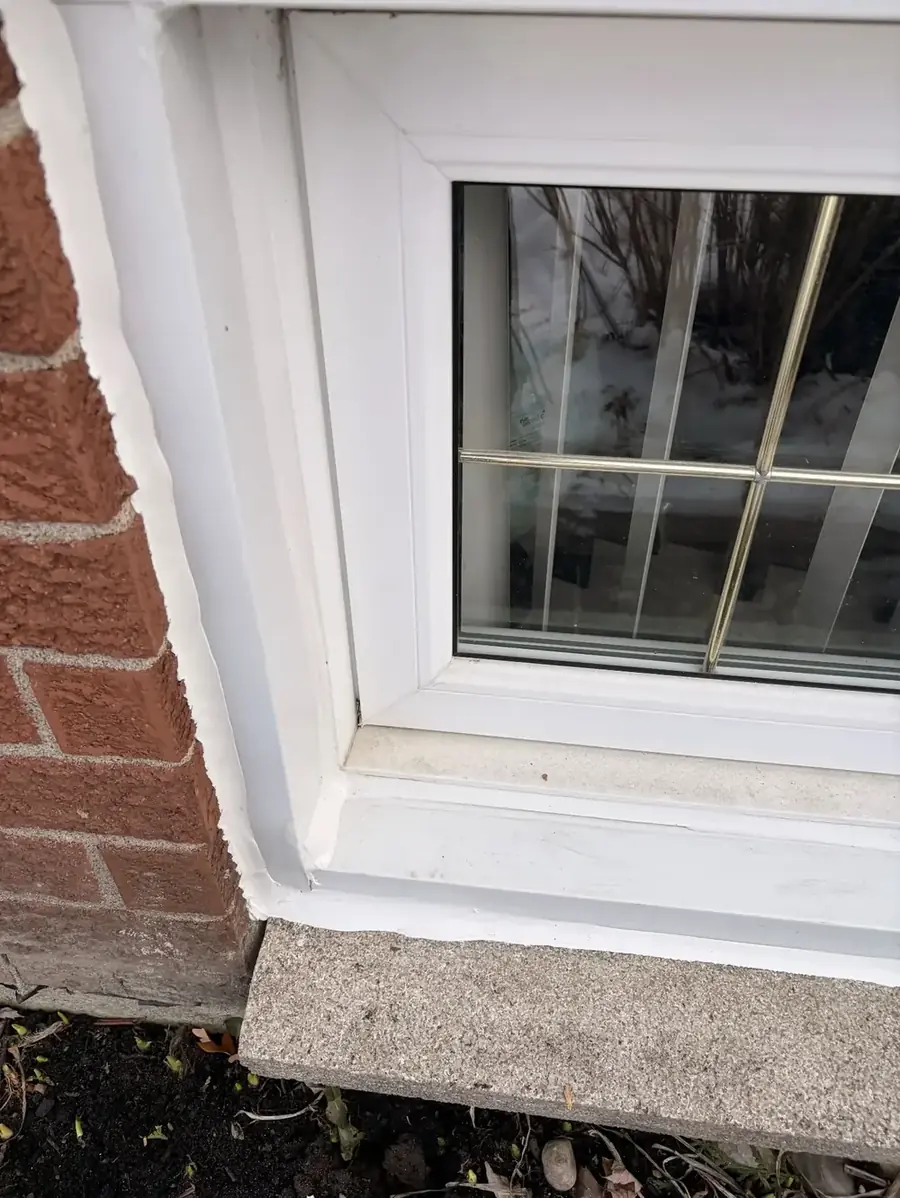
- Always remove all of the old sealant before applying the new one.
Have an open joint with winter coming? The inspection and quote are free, and we get back to you within 24 h. See also our caulking price guide.